120 Hours Bail Bonds Course Florida: Contracts

Contracts are a major part of the bail bond profession. A Florida bail bond agent may work with indemnity agreements, collateral documents, premium agreements, powers of attorney, and the bail bond itself. These documents create real legal and financial responsibilities for defendants, indemnitors, agents, and sureties.

That is why contracts are an important subject in the 120 Hours Bail Bonds Course.

Students preparing to become Florida bail bond agents should understand more than where a customer signs a form. They should understand who the parties are, what each person is agreeing to, how premium differs from collateral, and what can happen when someone fails to fulfill an obligation.

For prospective students, learning contracts during pre-licensing education helps build a stronger foundation for the state examination and for real bail bond work after licensure.

1792507200416/image_0_0d6717a5-85ef-4289-a45a-4211b8a14c1d.jpeg

Why Contracts Matter in Florida Bail Bonds

  • A bail bond transaction involves several parties and several different responsibilities.

    The defendant is the person released on the bond. The bail bond agent handles the transaction through the appropriate surety relationship. An indemnitor, often called a cosigner, may agree to accept certain financial responsibilities. A surety provides the financial backing connected to the bond.

    Contracts help define those relationships.

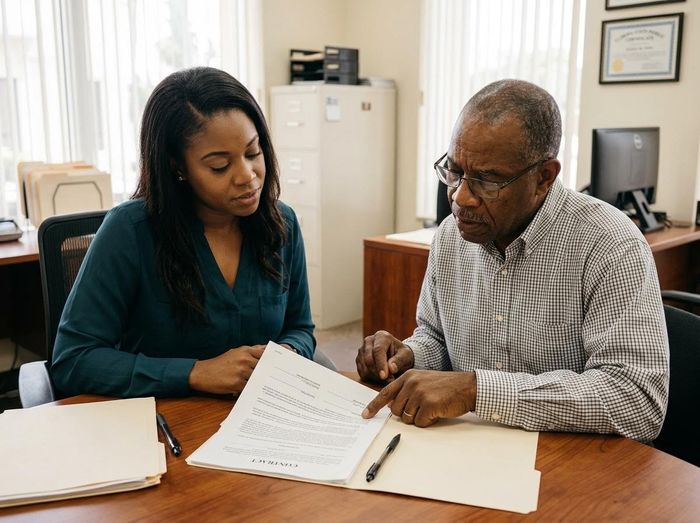
    For example, an indemnity agreement may explain what financial responsibilities the indemnitor accepts if the defendant fails to comply with the bond. A collateral agreement may explain what property is being held as security and under what circumstances it may later be returned.

    Students in the 120 Hours Bail Bonds Course Florida should learn to ask a simple question when reviewing any agreement:

    Who is agreeing to do what?

    That question can help clarify many complicated bail bond transactions.

    Students who want a broader introduction to the licensing process can also read Florida’s 120-Hour Pre-Licensing Bail Bond Course: Your First Big Step.

  • 1792507233459/image_0_81dd9a7a-8a39-43ba-8749-4660da6c4727.jpeg

    Understanding Indemnity, Premiums, and Collateral

    Three terms students need to distinguish are indemnity, premium, and collateral.

    The premium is the regulated charge associated with issuing the bail bond. It is different from the face amount of the bond.

    Collateral is property or money that may be accepted as security to protect the surety against potential loss. Collateral should not be confused with premium.

    Indemnity is another concept. An indemnitor may agree to reimburse or protect the surety for certain losses, expenses, or obligations described in the agreement.

    These distinctions matter because customers may not immediately understand the difference.

    A professional agent should be able to explain that paying a premium does not necessarily mean collateral has been provided, and providing collateral does not mean the property is simply another fee.

    Contract knowledge helps future agents explain these relationships more clearly.

    For additional career preparation, students can review Why the 120-Hour Bail Bond Course Is Essential for Your Career.

    1792507264805/image_0_b5e15cc3-dfb8-4dc9-a095-dbb3ac79413f.jpeg

    Basic Contract Principles Future Bail Bond Agents Should Know

  • Students do not need to become attorneys, but they should understand basic contract concepts.

    One important concept is agreement. The parties should understand the essential terms of what they are signing.

    Another is offer and acceptance. When one party proposes terms and another accepts them, an agreement may be formed. If the second party changes an important term instead of accepting it, that may be considered a counteroffer rather than acceptance.

    Students should also understand the general idea of consideration, which involves the exchange of legal value that supports an agreement.

    Another important subject is fraud or misrepresentation.

    For example, telling someone that they are signing a simple receipt when the document is actually an indemnity agreement can create a serious problem. An agent should never misrepresent the nature of a document just to obtain a signature.

    These concepts become much easier to understand when they are connected to actual bail bond situations instead of memorized as isolated definitions.

    That is one reason scenario-based learning can be valuable in a pre-licensing course.

    Students looking for additional preparation can read Mastering the 120-Hour Pre-Licensing Class for Aspiring Bail Bondsmen.

  • 1792507297229/image_0_e9bad216-cb13-43e6-b3b7-81c67c73ce0a.jpeg

    Why Contract Knowledge Matters After Licensure

    Contract knowledge becomes even more important after an agent begins working with actual clients.

    A customer may have questions about an indemnity agreement. Another may want to know when collateral can be returned. A defendant may fail to appear, creating financial consequences for the surety and potentially for the indemnitor.

    At that point, the quality of the original paperwork matters.

    Professional agents should maintain clear records showing what documents were signed, what premium was collected, what collateral was accepted, and what information was provided to the customer.

    Contracts also connect to other subjects covered in the 120 Hours Bail Bonds Course Florida, including underwriting, forfeitures, records, appointments, and surety relationships.

    This is why contract education should not be viewed as a separate academic topic.

    It is part of everyday bail bond practice.

    Students who are ready to begin their licensing education can view upcoming Florida bail bond classes.

    Frequently Asked Questions About Bail Bond Contracts

    Are contracts taught in the 120 Hours Bail Bonds Course?

    Contract principles are highly relevant to Florida bail bond education because agents work with indemnity agreements, collateral documents, premium obligations, powers of attorney, and surety bonds.

    What is an indemnity agreement?

    An indemnity agreement generally describes responsibilities accepted by an indemnitor, often a family member or other cosigner, in connection with the bail bond.

    Is an indemnitor the same as the defendant?

    Not necessarily. The defendant is the person released on bond. An indemnitor is typically another person who agrees to accept certain responsibilities under the agreement.

    Is premium the same as collateral?

    No. Premium is the regulated charge associated with the bail bond. Collateral is security that may be accepted to protect the surety against potential loss.

    Why should a bail bond agent understand contracts?

    Because agents handle documents that create financial and legal responsibilities. Understanding the basic purpose of those agreements can help agents explain transactions more clearly and maintain better records.

    Can the 120-hour course be taken online?

    Everything Bail Bonds offers the 120 Hours Bail Bonds Course through live online Zoom instruction, with weekend, part-time evening Monday-through-Thursday, and full-time class options.

    Where can I learn more about upcoming classes?

    Prospective students can view upcoming Florida bail bond classes for course information.

    Contracts Are Part of Professional Bail Bond Education

    Contracts are an essential part of the Florida bail bond profession.

    Future agents should understand the relationship between the defendant, indemnitor, bail bond agent, and surety. They should also understand the difference between premium, collateral, indemnity, and the bond itself.

    The goal of contract education is not simply to help students answer a state-exam question.

    It is to prepare them to handle real documents, real customers, and real financial responsibilities professionally.

    For students considering a career in Florida bail bonds, the 120 Hours Bail Bonds Course provides an important foundation in contracts and other areas of bail bond practice.

    You can also review Become a Bail Bondsman: Start With the 120-Hour Course or visit South Florida Bail Bonds / Everything Bail Bonds for additional Florida bail bond education resources.