Posting bond is only step one; staying free means obeying every release condition. Under § 903.0471 a judge can revoke your pre-trial release—without warning—if there’s probable cause you committed any new crime or materially broke a release rule. Combine that with § 903.0351 (which blocks bail for certain probation violators), and you have a roadmap of pitfalls that can land you back in jail fast. Below are four key sections that break down what these statutes mean, how to avoid violations, and why working with professionals like Bail Bonds Miami or completing the state-approved 120-Hour Bail Bonds Pre-Licensing Course is your best insurance policy against a bond meltdown.
Bail Revoked? Understanding Florida Statutes 903.0471 and 903.0351

The Snap-Back Statute: How 903.0471 Works

Common Material Violations
- Fresh arrests or citations, even for misdemeanors.
- Contacting the victim when a no-contact order was imposed (see § 903.047).
- Dirty drug screens or missed check-ins with pre-trial services.
- Leaving the county or state without permission.
- Using illicit funds to pay bond—courts scrutinize source of funds under § 903.046(2)(f).
Tip: Agents trained through the 120-hour course learn to review each condition with clients before release, reducing “I didn’t know” excuses.
When 903.0351 Removes Bail Altogether
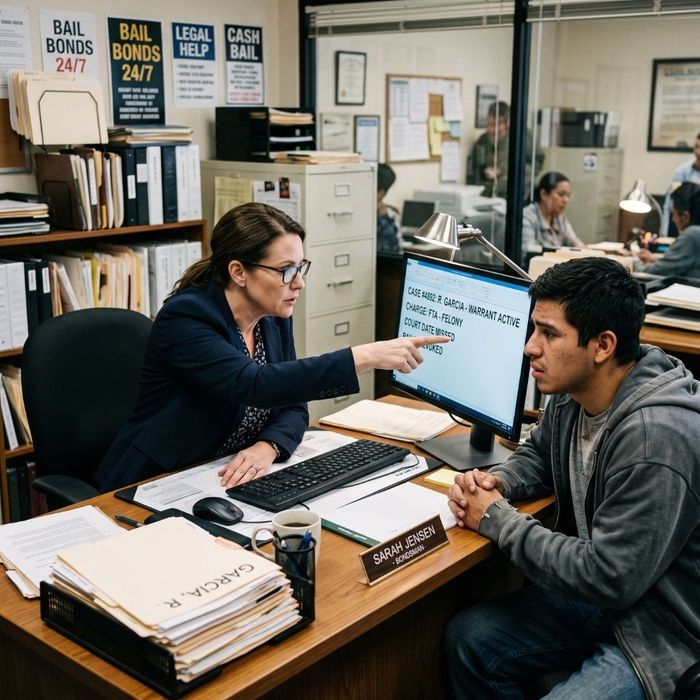
If you’re already on felony probation or community control and fall into a “violent felony offender of special concern” or similar category, no bond is possible until the violation hearing ends. Pair that restriction with 903.0471, and a new arrest while on release can leave you locked up with zero chance of a quick bond. Bail Bonds Miami screens for these statutory no-bond flags before wasting your time—or money—on an impossible bond.
Staying Compliant: Best Practices for Defendants & Agents
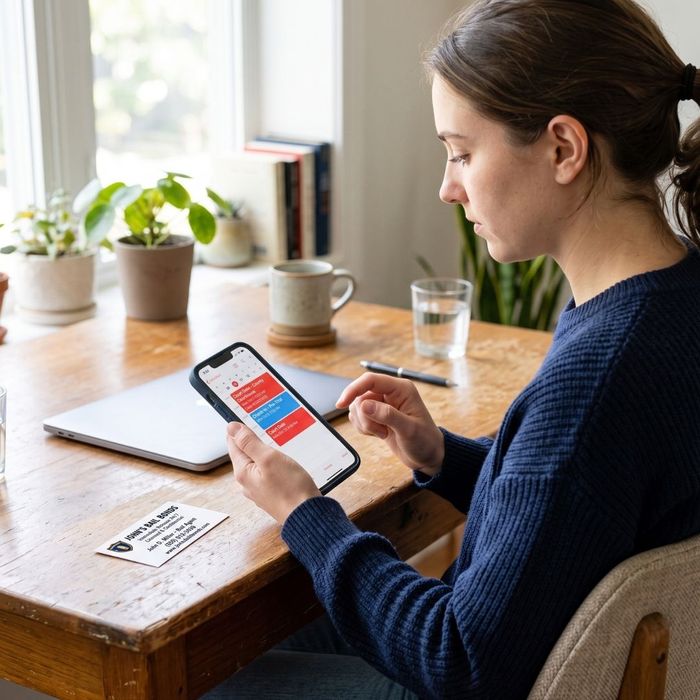
Freedom on bond comes with strings, and Florida courts pull those strings tight under § 903.0471 and § 903.0351. A single slip—new charges, missed curfew, unwanted text to a protected person—can send you back to jail in minutes. Partnering with Bail Bonds Miami ensures you have a seasoned team monitoring compliance, while the 120-Hour Bail Bonds Pre-Licensing Course equips current and future agents to navigate these statutes flawlessly. Know the rules, keep your record clean, and stay focused on your defense—not on another jail booking photo.