1795446175020/image_0_937e3839-fe51-4a9a-95be-b59796f40904.jpeg

How to Become a Bail Bondsman in Florida and Understand a BUF Account

If you are researching how to become a bail bondsman in Florida, you may eventually hear experienced agents talk about a BUF account.

BUF stands for Build-Up Fund. It is generally a reserve account established under an agreement between a bail bond agent or agency and a surety company. The money can serve as financial protection connected with the bonds written through that surety relationship.

A BUF account is not the first step toward becoming a bail bondsman.

Your first steps involve Florida pre-licensing education, the required examination, licensing, and appointment. Once you enter the business and begin working with a surety company, a BUF arrangement may become part of your contractual relationship with that company.

For aspiring agents, understanding both sides of the profession is important: how to become licensed and how the financial side of writing bail bonds works.

If you are ready to begin your education, review the Florida 120-Hour Pre-Licensing Bail Bonds Course through the Florida Bail Policy Council.

1795446228095/image_0_462924fd-a12a-43fd-8604-5c7612c63892.jpeg

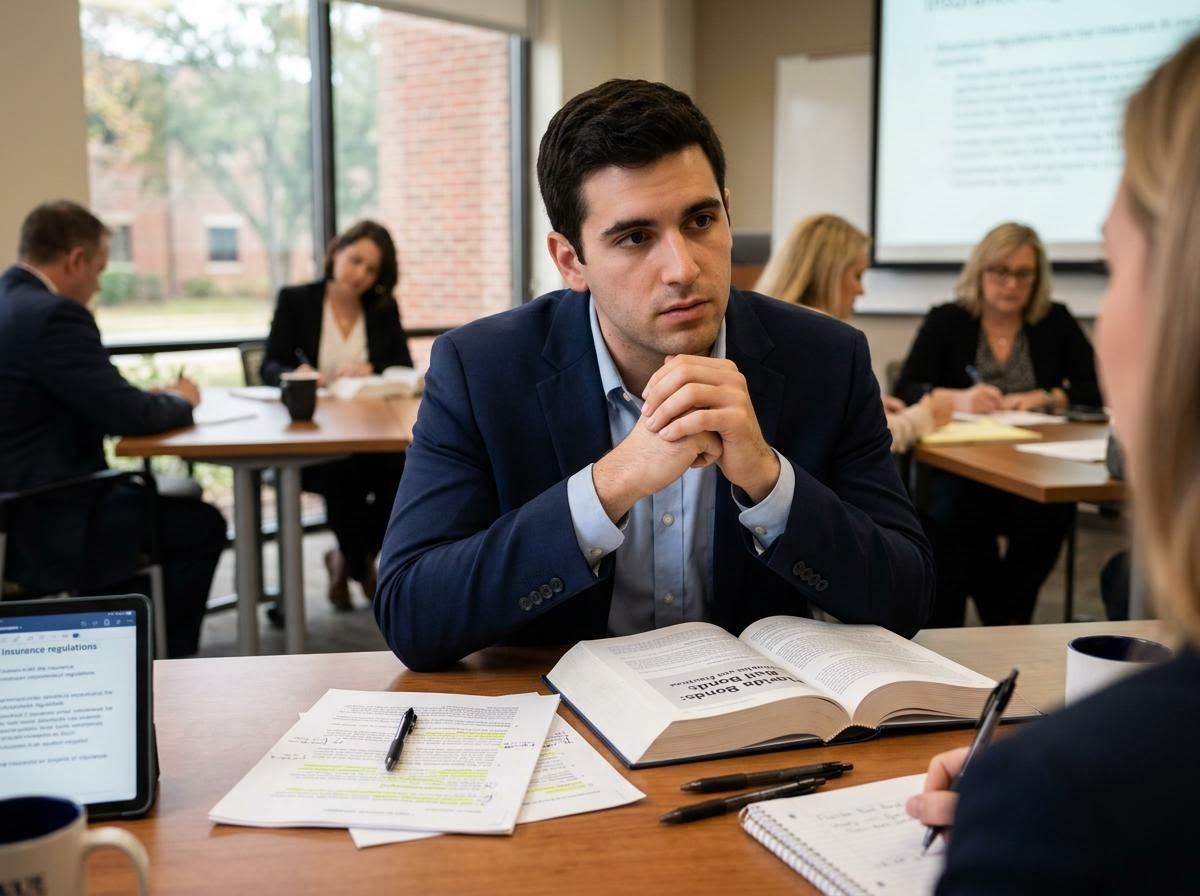
Becoming a Florida Bail Bondsman Starts With Education

Before worrying about a BUF account, an aspiring agent needs to understand Florida's licensing process.

Florida requires qualifying applicants for the resident 2-34 Limited Surety Bail Bond Agent license to complete the required pre-licensing education, satisfy the state's eligibility requirements, complete fingerprinting, pass the required examination, and obtain the appropriate appointment.

The 120-hour bail bond pre-licensing course is an important part of that preparation.

Students learn concepts that can later affect everyday work as an agent, including bail as surety, contracts, underwriting, collateral, indemnity, forfeitures, court procedures, licensing, appointments, and professional responsibilities.

Those subjects become especially important once an agent begins working with an insurer or surety company.

A new agent should understand that becoming licensed is not simply about learning how to fill out a bond.

You are entering a business where financial risk matters.

That is one reason the Florida 120-Hour Bail Bonds Course can be such an important starting point.

1795446276302/image_0_bc4a5d4d-ede1-4bc8-89c5-32bb83368b6e.jpeg

What Is a BUF Account?

A Build-Up Fund account, commonly called a BUF account, is generally a reserve established under a bail agent's contract with a surety company.

One surety-company BUF agreement states that the account is opened in accordance with the bail bond agreement between the agent and the surety. In that arrangement, the agent owns the account while the surety serves as custodian and controls withdrawals or closure under the agreement.

A regulatory financial examination of another surety company similarly describes BUF accounts as reserve accounts funded by bail bond agents under contracts with the company. The report states that the funds are held in trust for the agent and may be used for expenses such as forfeitures, recovery costs, and related legal fees.

The exact terms are important.

Not every surety company necessarily uses the same percentage, deposit requirement, withdrawal policy, or account structure.

For that reason, a bail bond agent should carefully read the actual surety agreement rather than assuming that every BUF operates the same way.

A BUF account should therefore be understood primarily as a business and contractual arrangement with a surety, not as a substitute for Florida licensing.

1795446327043/image_0_2eb1ada2-a72f-45aa-bc33-881833ab86da.jpeg

Why a Surety Company May Require a Build-Up Fund

When a bail bond agent writes a surety bond, the surety company is taking on financial exposure.

If a defendant fails to appear and a bond ultimately results in a loss, there may be costs associated with forfeiture, recovery efforts, attorneys, and other expenses.

A BUF helps create a reserve connected to that risk.

That is one reason understanding underwriting is so important for a future bail bond agent.

Writing every available bond without carefully considering the risk can eventually create financial problems.

An agent needs to think about the defendant's circumstances, the indemnitor, collateral when appropriate, the amount of the bond, and the likelihood that the defendant will comply with court requirements.

The Florida Bail Agents Association even provides a process allowing eligible members to pay association membership dues through their BUF with surety involvement, illustrating that BUF accounts remain a recognized part of the professional bail industry.

For a student, the important lesson is simple:

The bail bond business involves real financial responsibility.

That is why learning underwriting, contracts, forfeitures, and surety relationships during pre-licensing education matters.

1795446422722/image_0_baf32bc0-efab-4387-99c0-49aebfae0578.jpeg

From the 120-Hour Course to Working With a Surety

Completing the 120 Hours Bail Bonds Course does not automatically give a student a BUF account, and having money available for a BUF does not make someone a licensed bail bond agent.

The steps are separate.

First, an aspiring agent must work through Florida's licensing requirements.

After becoming properly licensed, an agent also needs the appropriate appointment before acting under the authority of a surety relationship. Florida DFS identifies appointment as part of the licensing framework for bail bond agents.

Only after entering the professional side of the industry would the agent typically deal with the contractual requirements imposed by the surety company, which may include establishing or contributing to a Build-Up Fund.

That is why students should learn the profession in the proper order.

Start with education.

Understand Florida bail law.

Learn contracts and underwriting.

Complete the licensing process.

Then learn the specific financial and operational requirements of the surety company you will represent.

The Florida 120-Hour Pre-Licensing Bail Bonds Course gives aspiring agents an opportunity to build that foundation before they begin dealing with real bonds and real financial exposure.

Frequently Asked Questions

Frequently Asked Questions

What does BUF mean in bail bonds?
BUF generally means Build-Up Fund. It is a reserve account associated with the contractual relationship between a bail bond agent or agency and a surety company.
Is a BUF account required to get a Florida bail bond license?
A BUF account itself is not the Florida pre-licensing education or licensing requirement. It is generally connected to the agent's contractual relationship with a surety company after entering the industry.
Who owns the money in a BUF account?
That depends on the governing agreement. For example, Financial Casualty & Surety's published BUF documentation describes the agent as owner of the account while the surety acts as custodian and controls withdrawals or closure according to the agreement.
What can BUF money be used for?
The answer depends on the surety agreement. Published regulatory documentation shows that some BUF arrangements may be used for forfeitures, recovery costs, legal expenses, and other losses connected with bonds written by the agent.
How much money must an agent put into a BUF?
There is no single percentage that should be assumed for every surety relationship. Contribution requirements can depend on the contract with the specific surety company.
Does every bail bondsman have a BUF account?
Not necessarily under identical terms. Surety companies can have different contractual arrangements, so an agent should review the requirements of the particular company with which the agent is appointed.
Should new students learn about BUF accounts?
Yes. Even though a BUF account generally becomes relevant later in the professional process, understanding reserves, surety relationships, underwriting, and financial risk can help students better understand the business they are preparing to enter.
Where should I start if I want to become a Florida bail bondsman?
Start by learning Florida's current licensing requirements and completing the required education. You can review the Florida 120-Hour Bail Bonds Course and current class options through the Florida Bail Policy Council.
Learn the Business Before You Write the Bond

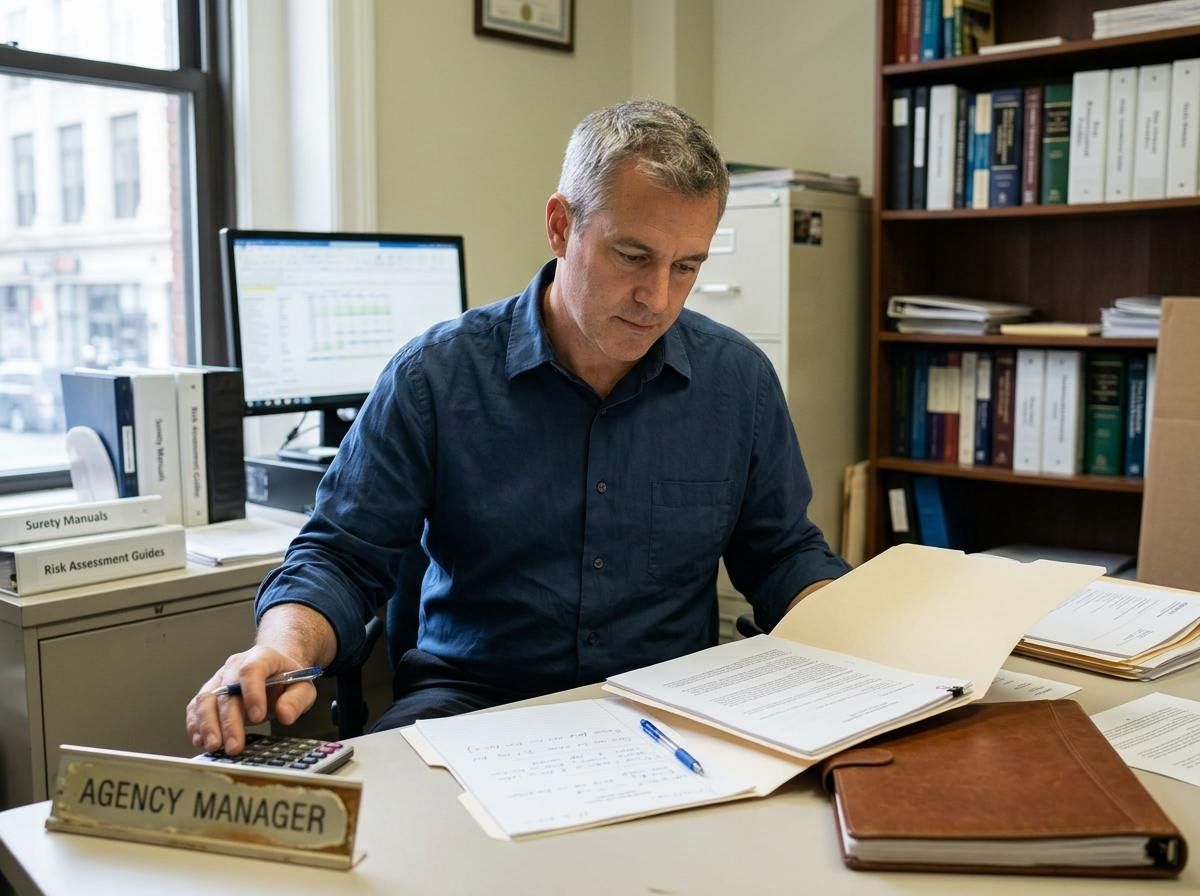
Becoming a bail bondsman involves more than obtaining a license and posting bonds.

It means understanding the financial responsibility behind every surety bond you write.

A BUF account is one example of the business side of the profession. It can provide a reserve connected to an agent's surety relationship and potential bond-related losses, depending on the terms of the applicable agreement.

But that comes later.

For someone entering the profession, the proper starting point is education.

Learn bail law.

Learn contracts.

Learn underwriting.

Understand forfeitures and surety relationships.

Then move through Florida's licensing and appointment process before taking on the financial responsibilities associated with actually writing bail bonds.

If you are ready to begin your path toward becoming a Florida bail bond agent, view the 120-Hour Pre-Licensing Bail Bonds Course and upcoming class options through the Florida Bail Policy Council.
A BUF account may help protect the business later. Your education helps build the foundation first.