Before any bond is posted, Florida courts want one guarantee: the surety behind it can actually stand behind the promise. Florida Statute 903.05 keeps that guarantee simple—any individual surety must either live in Florida or hold real estate here. Below, we break the rule into four quick sections, show what it means in the real world, and explain how seasoned professionals at Bail Bonds Miami and Florida’s robust 120-Hour Bail Bonds Pre-Licensing Course keep every bond—and every defendant—on solid ground.
Qualified & Compliant: Why Florida Statute 903.05 Matters to Every Bail Bond
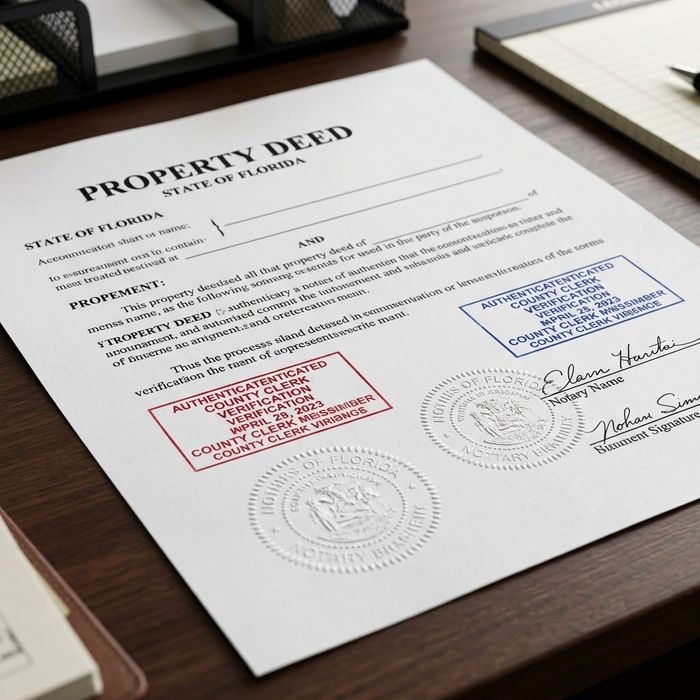
The Statue in Plain English
Individual Surety vs. Licensed Bail Agency
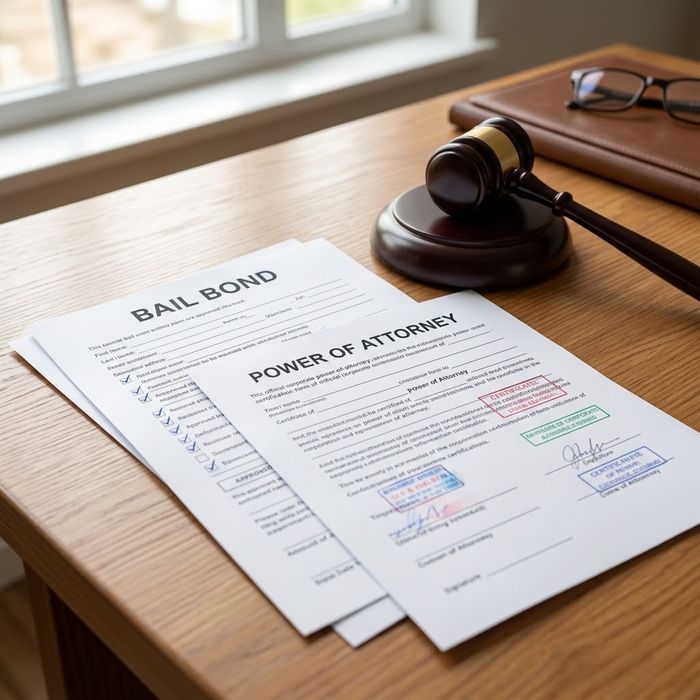
When an individual steps forward as a surety, Florida law demands that he or she either live in the state or own in-state real estate; the court’s leverage is limited to that one person’s assets, which may be modest or difficult to liquidate if the defendant flees. By contrast, a licensed bail agency operates under chapter 648, is appointed by an admitted insurance company, and maintains build-up funds as an additional financial backstop. That structure gives judges far greater confidence: the bond is backed not only by the agent’s professionalism but also by the insurer’s balance sheet. For defendants, relying on a single private guarantor can be risky—if that person’s resources fall short, the bond may be revoked and the defendant returned to custody. With a reputable agency such as Bail Bonds Miami, liability is shared by the agent and the insurer, paperwork is standardized, and every surety bond carries a verifiable power-of-attorney number that the jail and court can easily confirm.
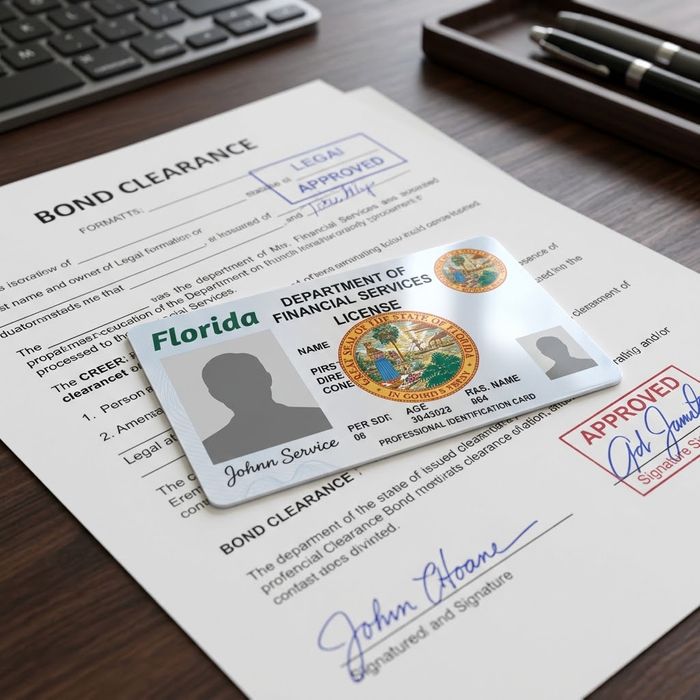
How Pros Prove Qualification

Tips for Defendants & Families
Florida Statute 903.05 is short, but its impact is huge—it protects courts and defendants by ensuring that anyone who guarantees a release can be found (or their property seized) if things go wrong. Partnering with established professionals at Bail Bonds Miami and trusting agents trained through the 120-Hour Bail Bonds Pre-Licensing Course turns that legal safeguard into real-world peace of mind. Choose a qualified surety, follow the rules, and focus on your defense—not a bond disaster.