
Posting bail is only half the battle. Florida Statute 903.047 piles on a detailed list of do’s and don’ts that every defendant must obey while awaiting trial. Break a single condition—no-contact orders, curfews, drug testing—and the judge can revoke your bond and send you straight back to jail. In the four sections below, we decode these conditions, spotlight the court’s power to modify them, and explain how trusted professionals at Bail Bonds Miami and the state-mandated 120-Hour Bail Bonds Pre-Licensing Course help defendants and agents stay compliant from day one.
Staying Free the Right Way: Florida Statute 903.047 and the Rules You Must Follow
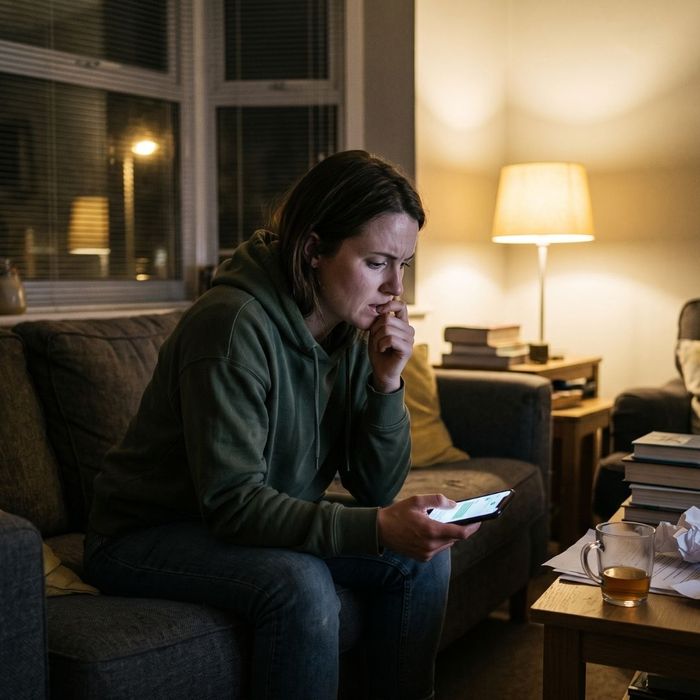
Universal Rules: Crime-Free Living and Immediate No-Contact Orders
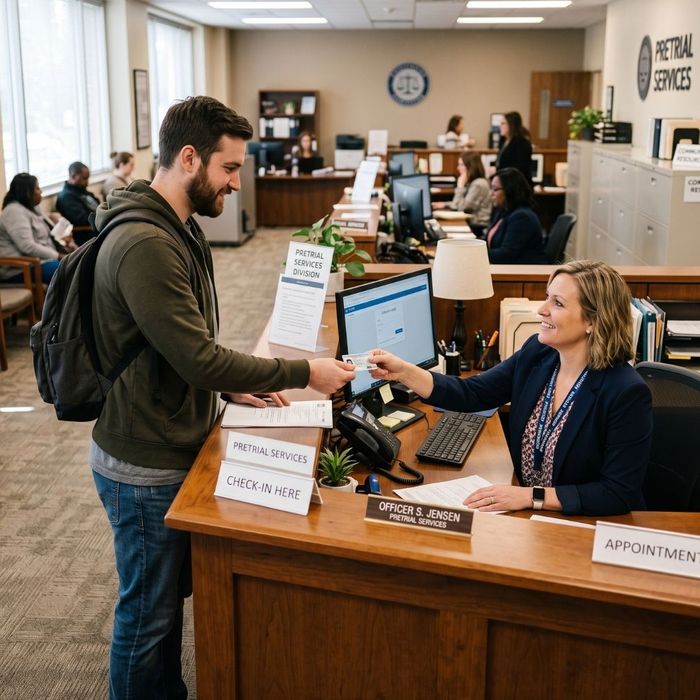
Court-Imposed Lifestyle Limits
Under § 903.047(1)(c), judges can add non-monetary conditions such as:
- Maintain or seek employment/education.
- Geographic limits. Travel, residency, or association restrictions.
- Regular reporting. Check-ins with pre-trial services or law enforcement.
- Curfews and electronic monitoring.
- Weapon bans and substance-abuse testing.
Agents trained through the 120-Hour Course learn to confirm a defendant fully understands each restriction before release—preventing accidental violations later.

Source-of-Funds & “Any Other Condition”
Judges must scrutinize collateral or premiums that might derive from crime (§ 903.046(2)(f)) and may tack on “any other condition…necessary” to secure appearances or protect the public (§ 903.047(1)(c)10). That could include:
- GPS ankle monitors.
- Residential treatment programs.
- Partial return-to-custody schedules (work-release style).
A reputable surety like Bail Bonds Miami helps defendants gather legitimate financial proofs—pay stubs, tax returns—to sail through the funding review.
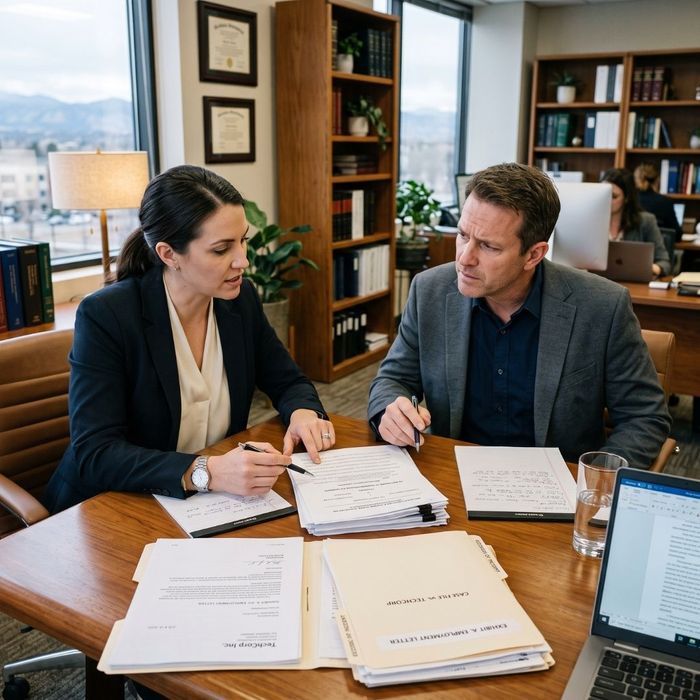
Modifying Conditions: Good-Cause Relief and Victim Input
§ 903.047(2) lets a defendant ask the court to loosen a no-contact order or other restriction if “good cause” exists. Key points:
- Formal motion required; oral requests rarely succeed.
- Victim has a right to be heard, and the State Attorney must give notice.
- Judges often demand evidence: counseling records, employment letters, or proof of changed circumstances.
Florida’s bail system grants freedom with strings firmly attached. Know the rules—no new crimes, strict no-contact, lifestyle limits, and verified funding—or risk losing your bond altogether. Defendants who team up with seasoned professionals at Bail Bonds Miami and agents educated through the 120-Hour Bail Bonds Pre-Licensing Course are far better positioned to follow every condition, stay out of jail, and focus on fighting their case in court.