Most parents assume only adults can sign legal documents, but Florida Statute 903.06 says otherwise: a minor can legally bind him- or herself to a bail bond “in the same manner as persons sui juris.” If your child—or a juvenile client—lands in custody, it’s crucial to know what this means for release, financial liability, and future court dates. In the four sections below, we unpack the statute, outline practical steps for families, and highlight how experienced professionals at Bail Bonds Miami and the state-approved 120-Hour Bail Bonds Pre-Licensing Course can guide you through the process.
When Teens Need Bail: Understanding Florida Statute 903.06 and How to Navigate It

The Statute in Plain English
Florida treats juveniles differently in many areas of law, but bail isn’t one of them. Under § 903.06, a minor may execute a surety bond that is every bit as valid as an adult’s—no parental co-signer required. Once the bond is signed, the juvenile assumes the same obligation to appear in court (and the same risk of forfeiture) as an adult defendant. Courts like the simplicity: they can set bond quickly without waiting for a guardian’s signature.

Practical Implications for Families
Although the minor can sign, parents or guardians typically still shoulder the financial fallout if the bond is forfeited. Working with a licensed agency such as Bail Bonds Miami ensures everyone understands the stakes up front:
- Collateral and premiums must still come from lawful sources (verified under § 903.046).
- Court reminders and transportation fall on the family—minors rarely drive themselves to hearings.
- School and curfew conflicts can become release-condition violations, so communication with bond agents and attorneys is critical.
How Licensed Agents Protect Juveniles
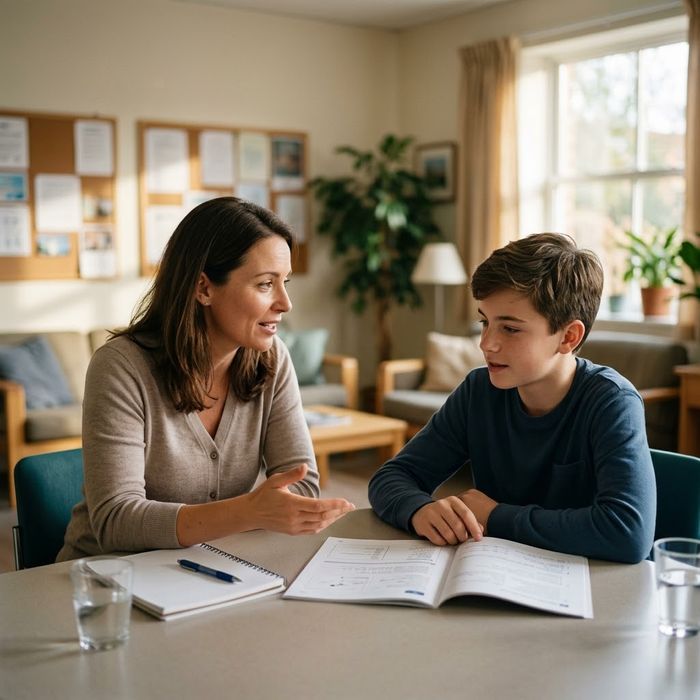
Agents who have completed the 120-Hour Pre-Licensing Course receive specific training on juvenile procedures, privacy rules, and counseling techniques. They:
- Translate legal jargon into teen-friendly language.
- Coordinate with juvenile-court staff to confirm hearing dates and reporting requirements.
- Set up compliance tools—text reminders, curfew check-ins, or electronic monitoring if ordered.

Tips for Defense Counsel and Pre-Trial Services
Florida’s § 903.06 gives minors legal power—and legal responsibility—to sign their own bail bonds. That power can accelerate release, but it also exposes families to financial risk if appearances are missed. Seasoned agents at Bail Bonds Miami explain every obligation in plain terms and track compliance from day one, while the 120-Hour Bail Bonds Pre-Licensing Course equips current and future agents with the specialty knowledge juveniles require. Handle the statute wisely, and your teen can prepare a defense at home—not behind bars.